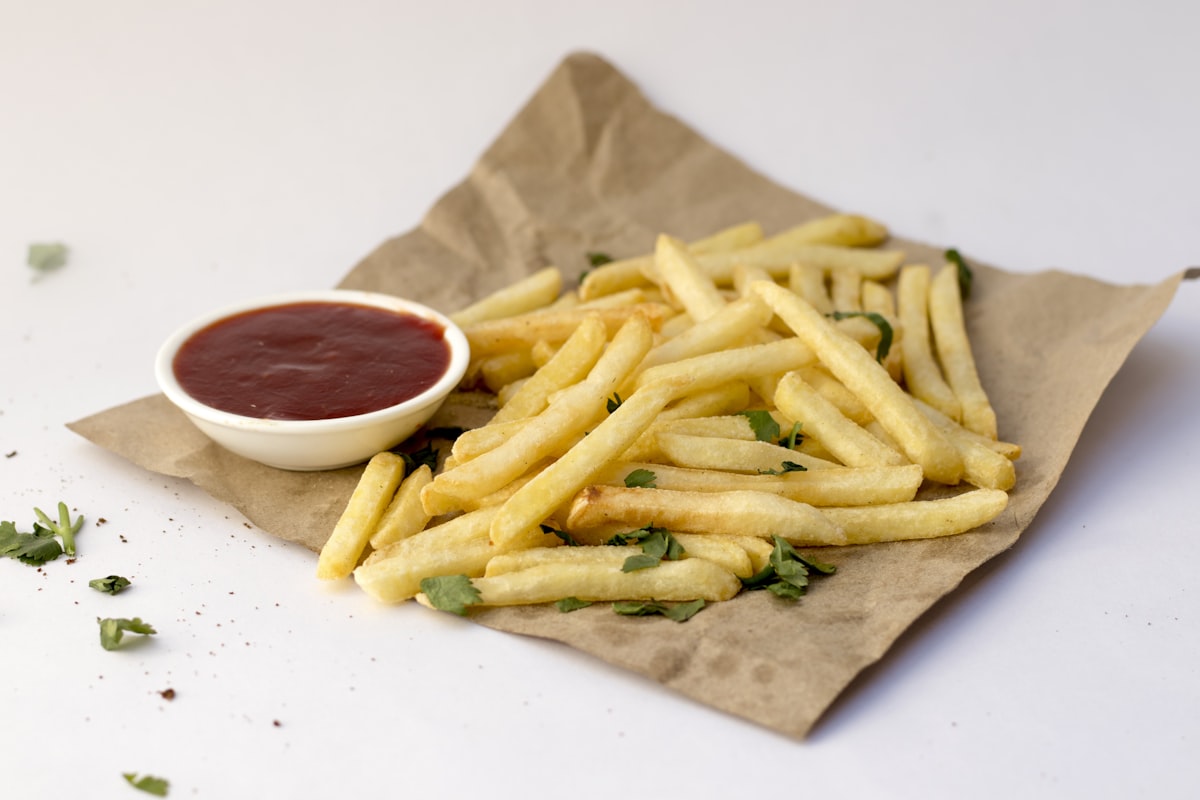
Fries Tell You More Than You Think
If you're an event planner in Nashville evaluating food trucks, you probably already have a list of questions you ask: capacity, pricing, insurance, menu options, setup requirements. Those are the right questions. But here's one most planners don't think to ask: exactly how do you make your fries?
The answer to that question tells you more about a truck's overall standards than almost anything else on the evaluation checklist. Fries are a deceptively revealing product. They require real prep labor, quality ingredients, proper technique, and tight service timing to come out right. Every corner an operator is willing to cut will show up in their fries, because there are a lot of corners available to cut and cutting them saves real money.
This guide walks through what to look for, what to ask, and how to use fry quality as a reliable proxy for overall catering quality when booking a Nashville food truck.
The Questions Every Event Planner Should Ask
Are the fries hand cut or frozen?
This is the first and most important question. Hand cut fries start as whole potatoes that are cut on the truck. Frozen fries are a processed product that arrives pre-cut, par-cooked, and frozen. The difference is not subtle. Hand cut fries have a better texture, a real potato flavor, and demonstrate that the operator is willing to do prep work rather than just open bags.
A truck using frozen fries isn't necessarily bad at everything, but they've already told you they prioritize operational convenience over food quality on one of their most prominent items. That's useful information.
What oil do you fry in?
Most food trucks use commodity vegetable oil -- canola, soybean, or a generic blend. It's cheap and it works. But it produces a noticeably greasier, less flavorful fry than higher-quality options like beef tallow or well-maintained refined oils. Tallow in particular produces a crispier, richer fry because of its higher smoke point and saturated fat content.
A truck that can tell you specifically what oil they use and why is a truck that thinks about their ingredients. A truck that says "vegetable oil" without any further detail is telling you they haven't given it much thought.
Do you double fry?
The double-fry method, a low-temperature first fry to cook the potato through followed by a high-temperature second fry to create the crust, produces a significantly superior fry to a single pass. It requires more time and more attention. Trucks that do it are making a deliberate quality decision. Trucks that don't are either unaware of the technique or aware of it and unwilling to invest the extra effort.
Are orders made to order or batched?
At events with volume pressure, many trucks batch fry and hold under heat lamps. It's understandable from an operations standpoint but it degrades the product significantly. A fry sitting in dry heat for ten minutes has lost most of what makes it worth eating. Ask specifically how they handle service during peak volume.
A truck that can answer all four of these questions specifically, confidently, and with real knowledge has thought seriously about their product. A truck that hedges, deflects, or gives generic answers probably hasn't. That's the difference between a catering operator and a vendor who happens to have a truck.
What a Great Event Fry Actually Looks and Tastes Like
If you have the chance to taste before you book, here's what you're evaluating.
- The exterior should be genuinely crispy. You should hear it when you bite. If it's soft or limp, the frying temperature was too low, the oil is degraded, or the fry sat too long after service.
- The interior should be fluffy, not dense or gummy. A gummy interior means the potato wasn't cooked through before the second fry, or the fry is a frozen product that didn't thaw evenly.
- The seasoning should be present and balanced. Under-seasoned fries are a sign that the truck treats seasoning as an afterthought. Over-seasoned fries are a sign they're trying to cover up a weak base product.
- The fry should not be greasy. A properly fried potato in good oil, at the right temperature, will have a dry-feeling crust. Greasy fries mean the oil was too cold, too old, or too low quality.
- The color should be golden, not pale and not dark brown. Pale means undercooked. Dark brown means overcooked or degraded oil.
Why Fries Specifically Matter at Nashville Events
Fries have a unique role at events because they're a universal item. At a wedding in The Gulch or a corporate event at a venue in Brentwood, guests of every dietary preference and background will eat fries. They're the most-consumed item at most food truck events. Which means they're also the most-judged item.
When a truck serves great fries, guests remember it. They talk about it. They go back for seconds and thirds. They post about it. When a truck serves mediocre fries, nobody says anything, but the catering experience just feels flat. The food was "fine." That's not what you want people saying about your event.
| What to Evaluate | Green Flag | Red Flag |
|---|---|---|
| Starting ingredient | Hand cut from whole potatoes | Frozen pre-cut product |
| Frying oil | Beef tallow or specified quality oil | "Vegetable oil" with no specifics |
| Technique | Double fry method | Single pass frying |
| Service | Made to order | Batched and held under heat |
| Texture | Crispy exterior, fluffy interior | Soft, pale, or gummy |
| Knowledge | Operator can explain every choice | Vague or defensive answers |
Fries as a Proxy for the Whole Operation
The reason fry quality works as an overall quality proxy is that it requires doing multiple things right simultaneously. It's not a single variable. It's ingredient quality, plus oil quality, plus technique, plus timing, plus service discipline. An operator who gets all of those right for fries has demonstrated the kind of operational discipline that carries across everything else they serve.
Think of it like evaluating a restaurant kitchen by the quality of their bread service. A restaurant that serves excellent bread has shown you they care about the details, they invest in ingredients, and they don't cut corners on things that might seem minor. The same logic applies to fries at a food truck event.
When you're evaluating options for your next Nashville event, add these fry questions to your checklist. The answers will tell you a lot more than the truck's Instagram page.